Death Thing
We can be sure of two things in life – we are born and we will die. These unite us with everyone who has ever lived. Death will come for us all and our body will turn to dust. Those are the facts we have, and beyond that, we’re only left with things we cannot prove. What happens after you die? Your response to what you think happens when you die provides an answer to how you believe you should live. Everyone believes something.
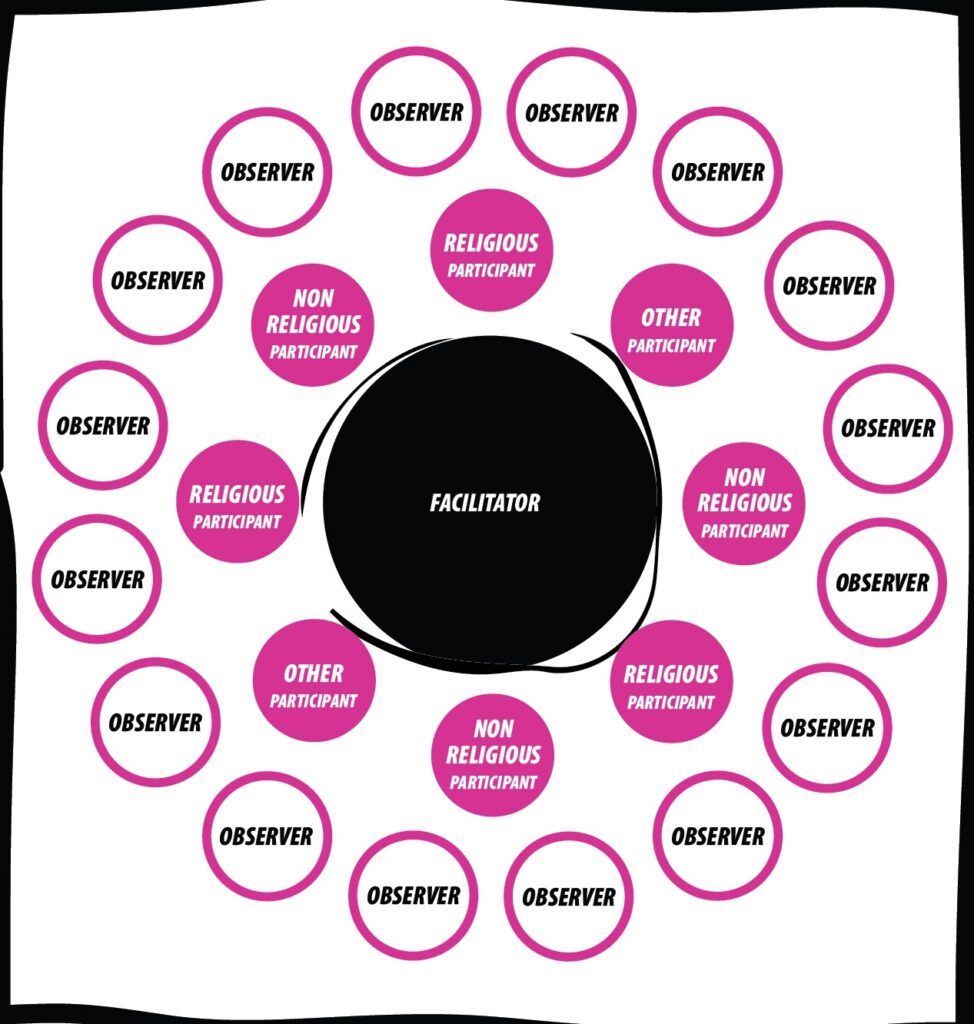
How to play: Gather a diverse group of thinkers to discuss death and the human experience. Facilitate a discussion using Socratic questions to examine and better understand views on death. This is NOT a lecture to acquire knowledge from an expert. (If you’re living, you’ve not died! Well, unless you’ve died and come back.) This is NOT a debate to prove you are right. You win the game by experiencing a spectrum of views about death (questioning if your own are correct) OR by being more confident in your answers than when you started. You can use these Conundrums to get the dialogue started!
Why it’s important: We know death is real, but we are all guessing what happens after we die. Death Thing is an invitation to dialogue with thoughtful discussion and disagree well. How satisfied are you of your answer to the certainty, “What happens after you die?” One day we will all know the answer, but not on this side of life, but, soon.
*DISCLAIMER AND PARTICIPANT CONTRACT: This event is about creating a conversation around what we believe will happen after we die. Having not died, the participants should share a humility that they are discussing what isn’t fully known or that they can prove. The goal of this dialogue is to facilitate a conversation, not host a debate. This is not a lecture. Participants aren’t invited to speak on behalf of an entire organization, belief system, or be a representative of a specific way of thinking. The seats can be labeled for the participants only serving to best identify the foundation of a participant’s views. It does not mean they represent the voice of that group or thinking. It can be uncomfortable to participate, because the discussion is about sharing your own personal views about death. Participants should share what they actually think and what they personally believe. The facilitator and other participants can ask questions about views and statements, but aren’t to belittle or attack a view. The conversation is not an attempt to try and convince anyone you are right, or that someone else is wrong. Everyone is on equal footing—we are humans interacting with the world. Expertise in the world is not scarce: there will always be those more learned, more articulate, or more philosophically armed against any view. Yet your journey—your unrepeatable lived experience—remains uniquely yours to contribute to the conversation.
We should eat, drink, and be merry, for tomorrow (or maybe today, or maybe many days from tomorrow) we die!